When I first moved into a house with a fireplace, I felt excited. I imagined winter evenings with warm fire, soft light, and hot tea in my hand. But I did not think much about what happens inside the chimney. For me, it was just a long pipe that sends smoke outside. I was wrong. After living with it for a few years, I understood that taking care of a chimney is not optional. It is something serious. It is about safety, health, and peace of mind. Many people think about chimney maintenance tx only when there is a visible problem. Smoke comes back into the room. A strange smell appears. Birds make noise inside the chimney. But the truth is, by the time we notice these signs, the problem has already grown. I learned this the hard way, and that is why I want to share my experience in simple words.
The Day I Realized Something Was Wrong
One winter evening, I started a fire like always. After some time, the room felt different. The smoke did not go up smoothly. My eyes started to burn a little. I thought maybe the wood was wet. I ignored it. A few days later, I noticed a strong, dusty smell even when the fireplace was not in use.
That was the moment I felt worried. I kept thinking, “Is this dangerous? Is my family breathing something bad?” I did not sleep well that night. Many people have the same fear but feel shy to ask. They think chimney issues are rare. They are not rare. They are common, especially in older homes.
When I finally called a professional for inspection, he showed me inside the chimney with a small camera. I was shocked. Thick black soot, small pieces of broken brick, and even some nest materials were inside. If I waited longer, it could have caused a chimney fire.
Why Chimney Maintenance Needs Regular Attention
A chimney works hard every time you light a fire. Smoke, ash, and small particles go up through it. Over time, these materials stick to the inner walls. This sticky black material is called creosote. It builds slowly, layer by layer. You cannot see it from the outside.
Creosote is very flammable. This means it can catch fire easily. When a chimney fire starts, it can spread quickly. Some chimney fires are small and quiet, but they still damage the inside structure. Some are loud and dangerous, with strong flames and cracking sounds.
I used to think chimney fires are dramatic events you see in movies. But many are silent and happen without the homeowner knowing. Later, the damage becomes expensive to fix.
Regular inspection and cleaning remove this dangerous buildup. It also helps find cracks, loose bricks, or other damage early. Fixing small problems early costs much less than repairing big damage later.
How Often Should a Chimney Be Cleaned?
This is a question I asked many times. The answer depends on how often you use your fireplace. If you use it daily in winter, it needs more attention. If you use it only a few times a year, it still needs to be inspected at least once annually.
Experts usually recommend one inspection every year. Cleaning depends on the level of buildup. Even if you think your fireplace is clean, inside the chimney can tell a different story.
I remember feeling embarrassed when I learned I had ignored my chimney for three years. But the technician did not judge me. He said many homeowners forget because the chimney is out of sight.
What Happens During a Professional Inspection?
Before my first professional visit, I felt nervous. I thought it would be messy and loud. But it was more organized than I expected.
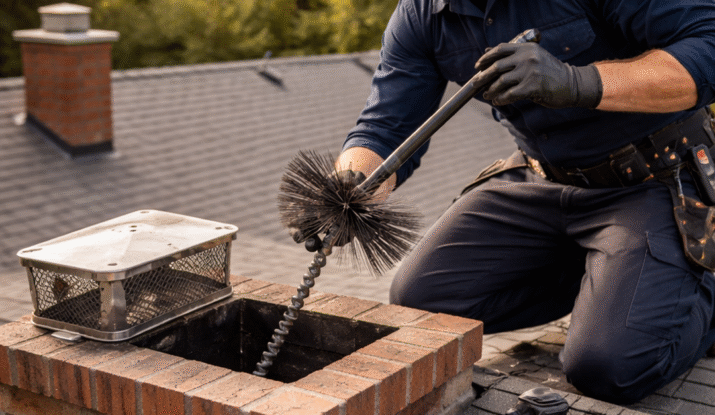
The technician covered the floor and furniture near the fireplace. He used special brushes and vacuum tools. He also used a small camera to look inside the flue. This camera helped him see cracks and buildup clearly.
The inspection usually checks:
- Creosote buildup
- Blockages from nests or debris
- Cracks in the liner
- Damage to bricks or mortar
- Cap and crown condition
It was interesting to see how careful the process was. They did not just clean and leave. They explained what they found and answered my questions.
Common Fears About Chimney Maintenance Services
Many people delay chimney care because of fear. I had the same worries. Let me talk about them honestly.
“Is it very expensive?”
I thought it would cost too much. But compared to repairing fire damage or rebuilding a chimney, cleaning is much cheaper. Think of it like a regular health check for your home.
“Will it make my house dirty?”
I was afraid of black dust everywhere. But professional equipment is designed to control dust. My living room stayed clean.
“What if they find a big problem?”
This fear is real. But finding a problem early is better than discovering it during a fire emergency.
Signs Your Chimney Needs Immediate Attention
Sometimes the chimney gives warning signs. Do not ignore them like I did.
You may notice smoke entering the room instead of going up. You may smell something like burnt tar even when there is no fire. You may hear animals moving inside. Some people see small pieces of tile or brick falling into the fireplace.
If you see white stains on the outside bricks, it can mean moisture damage. Water is one of the biggest enemies of a chimney. Rain can enter through cracks or without a proper cap.
When I noticed white stains on my chimney wall, I thought it was just dirt. It was not. It was a sign of water damage starting inside.
The Importance of a Chimney Cap
After my first inspection, the technician recommended installing a chimney cap. I did not know what it was before. A chimney cap is like a small roof on top of the chimney. It keeps rain, leaves, and animals out.
Without a cap, birds and squirrels can enter easily. Nests block airflow. Rainwater can damage the liner and bricks. Moisture mixed with creosote creates a stronger smell.
Since installing a cap, I feel more secure. It is a small detail, but it makes a big difference.
How Chimney Problems Affect Indoor Air
Many people forget that the chimney connects directly to the air inside the home. If it is blocked or damaged, harmful gases like carbon monoxide can come back into the room. Carbon monoxide has no smell. It is invisible. That is what makes it dangerous.
I installed carbon monoxide detectors after learning this. It gave me peace of mind. Clean airflow is important not only for comfort but for health.
Indoor Air Duct is a premier air quality service provider, committed to improving the air you breathe since 1995. With over two decades of experience and state-of-the-art technology, their talented team is dedicated to delivering healthier living spaces. Specializing in air duct, chimney, HVAC cleaning, and dryer vent cleaning services, Indoor Air Duct diligently removes dust, mold, and pollutants, offering a noticeably cleaner and refreshed environment for homes and businesses alike. Trust their expertise for a revitalized atmosphere and the peace of mind that comes with knowing your air is safe and pure. We understand your busy schedule and we are just a phone call away.
I share this because indoor air quality is connected to chimney condition more than many realize.
DIY Cleaning Maintenance vs Professional Service
Some people ask me if they can clean the chimney themselves. I understand this thought. I also searched online for brushes and tools. But after seeing the inside condition of my chimney, I realized it is not simple.
Without proper tools and experience, it is hard to clean deep inside the flue. Also, climbing on the roof can be dangerous. One wrong step can cause injury.
Professionals know how to check structural safety. They know how to identify early cracks or liner damage. I believe some small maintenance tasks can be done by homeowners, like removing ash from the fireplace. But deep cleaning and inspection should be left to experts.
What I Learned About Preventing Problems
Over time, I learned small habits that help reduce chimney issues.
Burn only dry, seasoned wood. Wet wood creates more smoke and more creosote. Do not burn trash or treated wood. Keep the damper open properly when using the fireplace.
Also, schedule an inspection before winter starts. Many people call when the cold season begins, and service appointments become busy. Planning early reduces stress.
Choosing the Right Service Provider
This part can feel confusing. There are many companies offering chimney services. I suggest asking simple questions:
How long have they been working in this field?
Do they explain the findings clearly?
Do they provide before-and-after pictures?
Are they patient when answering questions?
I prefer someone who speaks in simple language and does not pressure me into unnecessary repairs. Trust your feeling. If something feels unclear, ask again.
If you live in Texas and are searching for chimney maintenance Friendswood TX, make sure the team understands local weather conditions. Humidity and storms can affect chimney structures differently in this region.
The Emotional Side of Home Safety
We often talk about chimneys in technical ways, but for me, it is emotional. My home is where my family sleeps, eats, and spends time together. Knowing that something inside the walls could become dangerous made me anxious.
After regular inspections, I feel calmer. When I light a fire now, I enjoy it fully. I do not sit there worrying about hidden danger above my head.
Peace of mind is hard to measure, but it is valuable.
FAQ
1. How do I know if my chimney needs cleaning?
If you see heavy soot, smell strong odor, or notice smoke entering the room, it likely needs cleaning. Even without signs, yearly inspection is recommended.
2. Is chimney cleaning messy?
Professional services use special tools to control dust. My experience was clean and organized.
3. Can a dirty chimney cause health problems?
Yes. Blocked airflow can push smoke and gases back into the room, which may affect breathing and safety.
4. How long does an inspection take?
Usually one to two hours, depending on the condition and size of the chimney.
5. Is chimney maintenance really necessary if I rarely use my fireplace?
Yes. Even unused chimneys can collect debris, moisture, and animal nests over time. Regular checks help prevent hidden damage.
Conclusion
Taking care of a chimney may not feel exciting. It is not something guests see or compliment. But it quietly protects your home and your loved ones.
From my own experience, ignoring small signs can lead to bigger stress later. Regular inspection and cleaning are not about luxury. They are about safety, health, and responsibility.
If you have not checked your chimney in a long time, do not panic. Just start. Ask questions. Schedule an inspection. Learn about your own home.
A warm fireplace should bring comfort, not worry. And with proper care, it truly can.