
duct cleaning friendswood tx

How Messy Is Duct Cleaning? An Honest Answer for Homeowners in Friendswood, TX

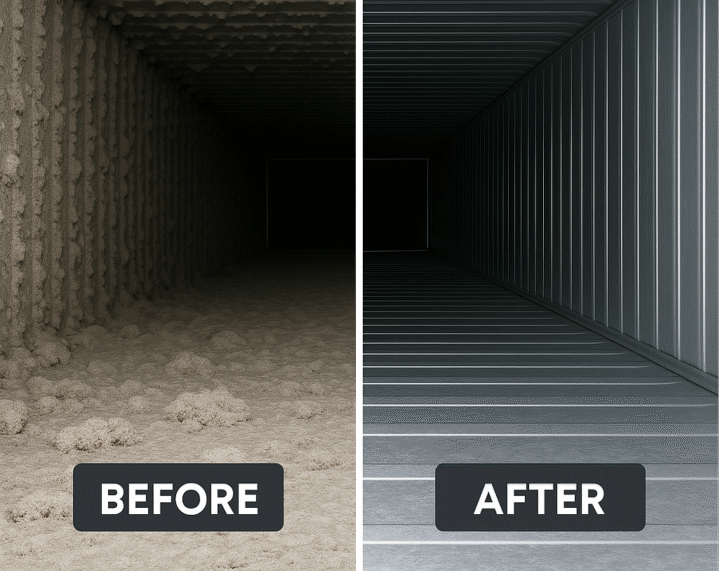
If you’re considering air duct cleaning for your home, chances are you’re not exactly excited about the idea. You’re probably picturing dust drifting through the air, vents being opened, and your HVAC system getting stirred up. It’s completely normal to wonder, how messy is duct cleaning, really? Here in Friendswood, we hear that concern all the time. Most homeowners aren’t calling to ask about negative air pressure or debris containment. They’re asking something much simpler: “Is this going to spread dust all over my house?” And honestly, that’s a fair question. When you’re trying to improve indoor air quality, the last thing you want is a process that makes your home feel dirtier before it gets better. The good news is that professional duct cleaning doesn’t work the way most people imagine, and understanding how the HVAC cleaning process actually controls dust can ease a lot of that worry. Why People Assume Duct Cleaning Must Be Messy Air ducts collect dust. Sometimes a lot of it. Over the years, they can also collect pet hair, insulation particles, bits of debris from remodeling projects, and, in rare cases, signs of moisture or mold. So when someone says they’re going to “clean” that system, your brain imagines all that stuff flying back into the house. Add Texas humidity into the mix, especially here in Friendswood, and people start wondering if disturbing the HVAC system will make indoor air quality worse before it gets better. That fear usually comes from not knowing how the process actually works. What Really Happens During Professional Air Duct Cleaning Professional duct cleaning isn’t someone sticking a shop vacuum into your vent and hoping for the best. A proper air duct cleaning service uses powerful vacuum systems that create what’s called negative air pressure inside your HVAC system. That simply means air is being pulled inward, toward the equipment, not pushed out into your home. So instead of dust escaping into your rooms, it gets drawn into sealed containment equipment. When done correctly, debris removal happens inside the ductwork, not in your living space. Technicians typically work section by section. Vents may be temporarily sealed. Specialized tools loosen buildup inside the ducts, and the vacuum system immediately captures it. From the outside, what you usually notice is some equipment running and technicians moving between rooms. What you don’t see is dust blowing around because that shouldn’t be happening. And if it is happening, that’s a red flag. So, Is Duct Cleaning Completely Mess-Free? In normal conditions, yes, it should be very clean. But “clean” doesn’t mean invisible activity. You might hear equipment running. You might see technicians accessing different vents. In some cases, small access panels are opened in the duct system to allow proper cleaning. But your furniture should not be covered in dust afterward. Your carpets shouldn’t look different. You shouldn’t need to deep clean your home once the service is complete. If anything, many homeowners say the house feels fresher afterward because airflow improves. The situations where duct cleaning becomes messy usually involve one of three things: extremely neglected ductwork, damaged ducts, or inexperienced technicians. When Duct Cleaning Can Actually Cause a Problem If a home hasn’t had any HVAC maintenance in decades and the ductwork is heavily contaminated, the cleaning process requires extra care. An experienced team will account for that and adjust the process accordingly. Problems usually happen when companies cut corners. Very low-cost duct cleaning sometimes skips important steps. If proper negative air pressure isn’t created, or vents aren’t sealed correctly, minor dust disturbance can occur. That’s not because duct cleaning is inherently messy. It’s because the method wasn’t right. Old duct systems with cracks or loose connections can also complicate airflow during cleaning. That’s why inspection matters. This is where experience really shows. How We Handle It at Indoor Air Duct in Friendswood We’ve been serving the Friendswood community since 1995. Over the years, we’ve learned something simple: homeowners care about results, but they also care about how those results are achieved. Our location at 2407 W Parkwood Ave, Suite 10B, puts us right here in the community. When we say we respect your home, it’s not a slogan. We work in homes just like yours every week. We use commercial-grade vacuum systems designed specifically for controlled HVAC cleaning. The goal isn’t just to remove dust, it’s to contain it. Before starting, we explain the process clearly. We make sure there’s proper airflow control. We manage debris carefully. And we clean up the work area when we’re done. It’s not complicated. It’s just done properly. If you’ve ever hesitated because you imagined a dusty mess, that’s understandable. But when the equipment and technique are right, the experience is much more controlled than people expect. Do You Need to Leave Your Home During Duct Cleaning? This is another common concern. In most cases, no, you don’t need to leave. The process is safe for families, children, and pets. Many homeowners stay home during the service without any issue. If someone tells you that your home will be filled with dust during cleaning, that’s not how professional HVAC cleaning should work. The entire point of the equipment is containment. What About Homes with Allergies or Pets? Interestingly, the people who worry most about mess are often the same people who benefit most from duct cleaning. If someone in your home deals with allergies, asthma, or sensitivity to dust, removing buildup from the HVAC system can help reduce circulating irritants. Again, the key is making sure the cleaning process itself does not spread particles. With proper negative air pressure and debris containment, that risk is minimized. In fact, many homeowners report breathing easier after the service.   The Bigger Question Behind  Sometimes, when people ask about mess, what they’re really asking is this: Is this going to be worth the hassle? That’s understandable. Between work schedules, family responsibilities, and everyday life, no one wants unnecessary disruption. The reality is that when handled by

Read more
dryer-vent-cleaning-houston-tx

Dryer Vent Cleaning Houston, TX | Reduce Fire Risk & Save Energy

If you live in Houston, regular dryer vent cleaning Houston, TX, is not just basic maintenance; it’s an essential safety measure. With the city’s year-round humidity and frequent laundry use, lint buildup happens faster than most people expect. When airflow becomes restricted, dryers overheat, energy bills rise, and fire risk increases. Many homeowners don’t think about their dryer vent until clothes start taking longer to dry. By that point, a clogged dryer vent may already be affecting performance and safety. Let’s break down exactly why this matters and what you should know. Why Dryer Vent Cleaning in Houston Is More Important Than You Think Houston’s humid climate forces dryers to work harder to remove moisture from clothing. When lint buildup collects inside the dryer exhaust line, airflow restriction occurs. That trapped heat has nowhere to go. Lint is highly flammable. Combine heat, restricted airflow, and dry debris, and you have a serious dryer fire prevention issue. Beyond safety, a clogged system reduces dryer airflow improvement efficiency. Clothes require multiple cycles, which increases electricity or gas usage. Over time, this strain damages internal components and shortens appliance lifespan. Regular residential dryer vent cleaning eliminates these risks before they escalate. Signs You Need Professional Dryer Vent Cleaning Houston Most vent problems start subtly. One of the earliest signs is a longer drying time. If your clothes still feel damp after one cycle, airflow is likely restricted. Another warning sign is excessive heat. If the dryer feels unusually hot or your laundry room becomes humid, your dryer exhaust cleaning may be overdue. Some homeowners notice a burning smell during operation. This should never be ignored. It often signals heavy lint buildup inside the vent duct. Other common signs include: Sudden spike in energy bills Lint around the exterior vent opening Weak airflow outside the home Dryer shutting off mid-cycle These are clear indicators that a professional vent cleaning service is needed. How Often Should You Schedule Dryer Vent Cleaning in Houston, TX? The general rule is once per year. However, many Houston homes require more frequent dryer vent inspection due to higher usage. Large households that run multiple loads per week may need service every 6–9 months. Pet owners should also consider more frequent cleaning, as pet hair accelerates blockage. Homes with long vent lines or roof exits often experience faster debris accumulation. In these cases, scheduling regular vent duct cleaning Houston service prevents costly problems later. Instead of guessing, many homeowners simply schedule annual maintenance as part of overall home care. Professional Dryer Vent Cleaning Service vs DIY Cleaning DIY kits can remove light surface lint, but they rarely clear deep clogs. Most buildup occurs further inside the vent line, beyond the reach of standard tools. A professional dryer vent cleaning service uses industrial equipment designed to fully remove lint buildup removal throughout the entire duct system. Technicians also perform airflow testing to confirm that dryer airflow improvement has been restored. Additionally, a professional inspection may uncover: Crushed vent ducts Loose connections Improper installation Hidden obstructions like bird nests While DIY may seem cheaper upfront, incomplete cleaning often leads to recurring issues. What Happens During a Dryer Vent Cleaning Service Houston? When you schedule dryer vent cleaning in Houston, TX, the process usually begins with a detailed inspection. The technician checks vent length, airflow restriction, and exterior exhaust functionality. Next, specialized rotary brushes and high-powered vacuums remove debris from the full system. This step ensures proper dryer exhaust cleaning from the appliance to the exterior exit. After cleaning, airflow testing confirms that the system is functioning safely and efficiently. Most appointments take between 45 to 90 minutes, depending on vent complexity. The result is noticeable: reduced drying time, cooler operation, and lower strain on the appliance. Cost of Dryer Vent Cleaning in Houston, TX The cost of dryer vent cleaning in Houston typically depends on vent length, accessibility, and level of clogging. Standard residential dryer vent cleaning generally falls within an affordable range. Roof-access systems or complex duct layouts may cost slightly more due to additional labor. Be cautious of unusually low offers. Incomplete service often means only partial lint removal. When compared to the cost of replacing a dryer or repairing fire damage, professional cleaning is a small investment in home protection. Benefits of Hiring a Local Houston Dryer Vent Cleaning Company Working with a local dryer vent cleaning company offers several advantages. Houston-based professionals understand the impact of humidity on airflow systems. They are familiar with common residential layouts and can provide same-day service when needed. Local companies depend on reputation, which often results in better customer care and thorough service. Quick response times are especially important if you experience overheating or burning odors. Choosing experienced Houston, TX dryer vent specialists ensures safer and more reliable results. Long-Term Benefits of Regular Dryer Vent Maintenance Routine dryer vent inspection and cleaning provides long-term protection and savings. First, it improves dryer performance and reduces drying time. This directly lowers monthly energy bills. Second, it extends appliance lifespan by preventing overheating damage. Third, it significantly reduces dryer fire prevention risks. Proper ventilation also helps control excess humidity inside the home, supporting better indoor air quality. In short, consistent maintenance protects both your property and your budget. Frequently Asked Questions(FAQs) How long does dryer vent cleaning take? Most residential dryer vent cleaning appointments take between 45 and 90 minutes, depending on vent length and buildup level. Can a clogged dryer vent cause a fire? Yes. Lint buildup, combined with heat and airflow restriction, can ignite. Professional cleaning significantly reduces this risk. Is dryer vent cleaning worth it? Absolutely. It lowers energy bills, improves efficiency, extends appliance life, and enhances safety. How do I know if I need dryer vent cleaning in Houston? If you notice longer drying times, overheating, burning smells, or rising energy costs, schedule a dryer vent inspection immediately. Final Thoughts: Don’t Wait Until It Becomes a Fire Risk Dryer vent cleaning in Houston, TX, homeowners schedule regularly is one of
Read more
hvac cleaning services

HVAC Cleaning Services – Every Home Needs Professional HVAC Cleaning

Most of us don’t think about our HVAC system very often. It sits quietly behind walls and ceilings, doing its job day after day. In the middle of a Texas summer, it keeps your home cool. When winter rolls in, it keeps things warm and comfortable. As long as it’s running, we assume everything is fine. But here’s the thing, while many homeowners remember to replace air filters, very few think about what’s happening deeper inside the system. Over time, dust, dirt, pet hair, pollen, and even mold can accumulate in your ductwork and HVAC components. And when your system turns on, all of that gets pushed into the air you breathe. That’s why professional HVAC cleaning services aren’t just a “nice extra.” In many homes, they’re necessary. In Texas, especially, where air conditioners work long hours for most of the year, your HVAC system goes through a lot. Regular cleaning isn’t just about comfort, it’s about efficiency, air quality, and protecting a system that likely cost you thousands of dollars. What Are HVAC Cleaning Services, Really? When people hear “HVAC cleaning,” they sometimes picture someone wiping off vents or vacuuming around the registers. In reality, professional HVAC cleaning services go much deeper than that. A proper cleaning involves inspecting and cleaning the internal parts of the system — including air ducts, return and supply vents, blower components, evaporator coils, and other critical parts that move air throughout your home. These areas aren’t easy to reach. Dust and debris collect gradually, layer by layer. You won’t see it happening, but over time, it restricts airflow and forces your system to work harder. Professional technicians use specialized tools, high-powered vacuums, rotating brushes, and compressed air equipment to remove buildup safely without damaging delicate components. The goal isn’t just to make things look clean. It’s to restore proper airflow and system performance. When done correctly, your HVAC system runs smoother, quieter, and more efficiently. The Air Inside Your Home Might Not Be as Clean as You Think A lot of homeowners assume indoor air is cleaner than outdoor air. Surprisingly, that’s not always true. Modern homes are built to be energy efficient and tightly sealed. While that helps with temperature control, it also means dust and pollutants can get trapped inside. Every time your HVAC system turns on, it pulls air through the ductwork and pushes it back into your rooms. If there’s dust, pollen, or other contaminants sitting inside those ducts, they circulate again and again. Over time, you might notice more dust settling on furniture. Maybe allergies seem worse indoors. Maybe the air just feels stale. Professional HVAC cleaning services remove the buildup that’s been hiding inside your system. Many homeowners say they notice the difference fairly quickly, less dust, fresher air, and more consistent airflow from room to room. In humid climates like Texas, moisture can also become an issue. If moisture builds up inside ductwork, it creates conditions where mold can grow. Cleaning helps address those risks before they turn into bigger problems. The Real Benefits of HVAC Cleaning Services One of the first things people notice after a professional cleaning is better airflow. When ducts are clogged with debris, your system struggles to push air through properly. Some rooms feel warmer, others cooler. Once that blockage is removed, airflow becomes more balanced. Another major benefit is energy efficiency. When your HVAC system has to fight through dust buildup, it uses more energy. That extra strain can show up in higher electricity bills. A cleaner system doesn’t have to work as hard, which often improves efficiency. There’s also the long-term benefit of protecting your equipment. HVAC systems aren’t cheap to repair or replace. When motors and fans constantly run under strain, wear and tear increase. Regular cleaning reduces that stress and can help extend the life of your system. And then there’s the health factor. For households with allergies, asthma, pets, or young children, cleaner air can make a noticeable difference. Removing accumulated dust and allergens means fewer particles circulating through your living space. Even odors can improve. If you’ve ever noticed a musty smell when the air kicks on, dirty ductwork may be part of the reason. How Do You Know It’s Time for HVAC Cleaning? Sometimes the signs are obvious. Other times, they’re subtle. If you’re constantly dusting and it feels like the dust keeps coming back within a day or two, your ductwork could be contributing. Uneven temperatures between rooms can also indicate restricted airflow. Strange smells coming from vents when the system runs may signal a buildup inside. And if your energy bills are creeping up without any major change in usage, reduced efficiency could be the cause. Renovations are another big trigger. Construction dust travels easily and often ends up inside ductwork. After a remodel, scheduling HVAC cleaning services is usually a smart move. If you’ve recently moved into an older home and aren’t sure when the system was last cleaned, it’s worth considering an inspection. How Often Should You Schedule HVAC Cleaning? There isn’t a one-size-fits-all answer. For many homes, every two to three years is reasonable. Homes with pets may need it more often. The same goes for households with allergy sufferers. In Texas, HVAC systems run hard for long stretches of the year. That heavy usage can lead to faster buildup. Because of that, some homeowners choose more frequent inspections just to stay ahead of potential problems. If you’re unsure, a professional evaluation can help determine whether cleaning is necessary or if your system is still in good shape. Why DIY Isn’t the Same as Professional Cleaning It’s completely fine to vacuum around vents and replace filters regularly. Those are good habits. But they don’t replace professional HVAC cleaning services. Most of the debris that affects performance sits deep inside the system, far beyond what a household vacuum can reach. Attempting to access internal components without proper tools can actually cause damage. Professionals use equipment designed specifically for HVAC
Read more
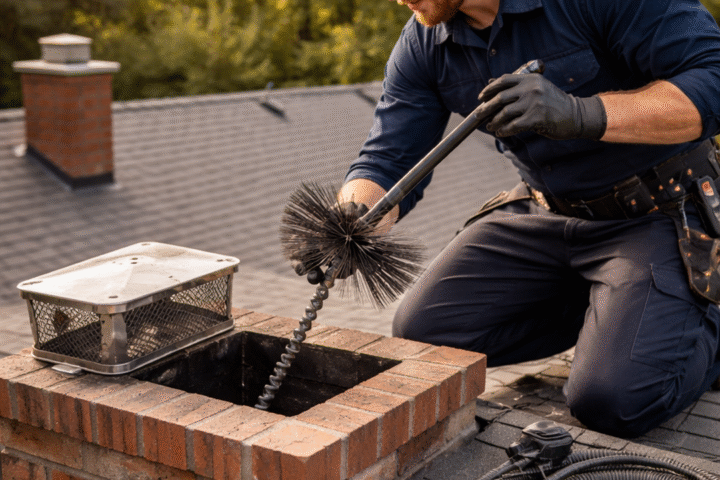
A man wearing work gloves and a tool belt is cleaning a brick chimney on a rooftop using a chimney brush attached to a flexible rod. The chimney cap is placed beside the opening, and the roof shingles and trees are visible in the background.

Chimney Maintenance Services | Inspection & Cleaning Experts

When I first moved into a house with a fireplace, I felt excited. I imagined winter evenings with warm fire, soft light, and hot tea in my hand. But I did not think much about what happens inside the chimney. For me, it was just a long pipe that sends smoke outside. I was wrong. After living with it for a few years, I understood that taking care of a chimney is not optional. It is something serious. It is about safety, health, and peace of mind. Many people think about chimney maintenance tx only when there is a visible problem. Smoke comes back into the room. A strange smell appears. Birds make noise inside the chimney. But the truth is, by the time we notice these signs, the problem has already grown. I learned this the hard way, and that is why I want to share my experience in simple words. The Day I Realized Something Was Wrong One winter evening, I started a fire like always. After some time, the room felt different. The smoke did not go up smoothly. My eyes started to burn a little. I thought maybe the wood was wet. I ignored it. A few days later, I noticed a strong, dusty smell even when the fireplace was not in use. That was the moment I felt worried. I kept thinking, “Is this dangerous? Is my family breathing something bad?” I did not sleep well that night. Many people have the same fear but feel shy to ask. They think chimney issues are rare. They are not rare. They are common, especially in older homes. When I finally called a professional for inspection, he showed me inside the chimney with a small camera. I was shocked. Thick black soot, small pieces of broken brick, and even some nest materials were inside. If I waited longer, it could have caused a chimney fire. Why Chimney Maintenance Needs Regular Attention A chimney works hard every time you light a fire. Smoke, ash, and small particles go up through it. Over time, these materials stick to the inner walls. This sticky black material is called creosote. It builds slowly, layer by layer. You cannot see it from the outside. Creosote is very flammable. This means it can catch fire easily. When a chimney fire starts, it can spread quickly. Some chimney fires are small and quiet, but they still damage the inside structure. Some are loud and dangerous, with strong flames and cracking sounds. I used to think chimney fires are dramatic events you see in movies. But many are silent and happen without the homeowner knowing. Later, the damage becomes expensive to fix. Regular inspection and cleaning remove this dangerous buildup. It also helps find cracks, loose bricks, or other damage early. Fixing small problems early costs much less than repairing big damage later. How Often Should a Chimney Be Cleaned? This is a question I asked many times. The answer depends on how often you use your fireplace. If you use it daily in winter, it needs more attention. If you use it only a few times a year, it still needs to be inspected at least once annually. Experts usually recommend one inspection every year. Cleaning depends on the level of buildup. Even if you think your fireplace is clean, inside the chimney can tell a different story. I remember feeling embarrassed when I learned I had ignored my chimney for three years. But the technician did not judge me. He said many homeowners forget because the chimney is out of sight. What Happens During a Professional Inspection? Before my first professional visit, I felt nervous. I thought it would be messy and loud. But it was more organized than I expected. The technician covered the floor and furniture near the fireplace. He used special brushes and vacuum tools. He also used a small camera to look inside the flue. This camera helped him see cracks and buildup clearly. The inspection usually checks: It was interesting to see how careful the process was. They did not just clean and leave. They explained what they found and answered my questions. Common Fears About Chimney Maintenance Services Many people delay chimney care because of fear. I had the same worries. Let me talk about them honestly. “Is it very expensive?” I thought it would cost too much. But compared to repairing fire damage or rebuilding a chimney, cleaning is much cheaper. Think of it like a regular health check for your home. “Will it make my house dirty?” I was afraid of black dust everywhere. But professional equipment is designed to control dust. My living room stayed clean. “What if they find a big problem?” This fear is real. But finding a problem early is better than discovering it during a fire emergency. Signs Your Chimney Needs Immediate Attention Sometimes the chimney gives warning signs. Do not ignore them like I did. You may notice smoke entering the room instead of going up. You may smell something like burnt tar even when there is no fire. You may hear animals moving inside. Some people see small pieces of tile or brick falling into the fireplace. If you see white stains on the outside bricks, it can mean moisture damage. Water is one of the biggest enemies of a chimney. Rain can enter through cracks or without a proper cap. When I noticed white stains on my chimney wall, I thought it was just dirt. It was not. It was a sign of water damage starting inside. The Importance of a Chimney Cap After my first inspection, the technician recommended installing a chimney cap. I did not know what it was before. A chimney cap is like a small roof on top of the chimney. It keeps rain, leaves, and animals out. Without a cap, birds and squirrels can enter easily. Nests block airflow. Rainwater can damage the liner and bricks. Moisture mixed with creosote creates
Read more
affordable-dryer-vent-cleaning

Dryer Vent Cleaning One Small Service That Makes a Big Difference

Dryer vent cleaning is one of those home services most people rarely think about. It stays out of sight, hidden behind walls or running quietly outside of the house. Because it does not demand attention, it is easy to forget. Yet this small part of a home plays a very important role in safety, comfort, and energy use. Many homeowners focus on visible cleaning like floors, kitchens, and bathrooms. Dryer vents are different. They work silently, carrying hot air, moisture, and lint out of the home. When they are clean, everything feels normal. When they are blocked, problems begin slowly and quietly. This is where Affordable Dryer Vent Cleaning becomes important. It is not about luxury or extra comfort. It is about preventing risk, avoiding stress, and keeping a home running safely without unnecessary expense. Why dryer vents are often ignored Dryer vents are easy to forget because there is no daily reminder. The lint trap inside the dryer feels like enough. Once it is cleaned, many people believe the job is done. Unfortunately, the lint trap only catches a small part of the lint. The rest travels deep into the vent system. Over time, lint sticks to the inside of the vent. It builds up layer by layer. This happens slowly, often over years. Because the process is gradual, the warning signs are easy to miss. People often assume that dryers stop working only when they are old or broken. In many cases, the real problem is airflow, not the machine itself. What really happens when a dryer vent is clogged When a dryer vent is blocked, hot air cannot escape properly. This trapped heat affects the dryer and the surrounding area. Clothes take longer to dry. The dryer becomes hotter than usual. The laundry room may feel warm or humid. Lint is highly flammable. When it builds up inside a vent, it creates a fire risk. Many house fires begin this way, without loud warning signs. This is one of the most serious reasons dryer vent cleaning should not be ignored. A clogged vent also forces the dryer to work harder. This increases energy use and puts extra stress on the machine. Over time, this can lead to breakdowns or the need for early replacement. Common signs that indicate a problem Many homes show warning signs long before a serious issue appears. These signs are often small and easy to explain away, which is why they are ignored. Some common signs include: These signs are not random. They usually point to restricted airflow inside the dryer vent. Fear and hesitation around Affordable dryer vent cleaning  Many people feel unsure about calling for dryer vent cleaning. Some worry about cost. Others worry about being told they waited too long or that something is seriously wrong. There is also confusion about whether the service is truly necessary. Because dryer vents are hidden, it is hard to understand their condition without professional tools. This hesitation is normal. Home maintenance can feel overwhelming, especially when the issue is not visible. However, dryer vent cleaning is preventive. It is meant to stop problems before they become expensive or dangerous. What dryer vent cleaning actually involves Dryer vent cleaning is usually a simple and controlled process. The goal is to remove lint, dust, and debris from the entire vent system, not just the visible parts. Professional cleaning reaches deep into the vent, including areas behind walls or under floors. Specialized tools are used to loosen and remove compacted lint safely. The process does not damage the dryer or the home. It is typically quick and does not create a mess. Most homes can be serviced in less than an hour. The comfort of proper airflow After a vent is cleaned, airflow improves immediately. Hot air moves freely out of the home. Drying times become shorter. The dryer operates at a normal temperature again. This change may seem small, but it affects daily life. Less time spent waiting for laundry means less energy use and less frustration. A cooler laundry space also improves comfort, especially in warmer months. Proper airflow also protects the dryer itself. When machines do not have to struggle, they last longer and perform better. Why affordability matters for homeowners Home safety should never feel like a luxury. Services that protect homes should be accessible, not stressful. Affordable options allow more people to take preventive action instead of waiting for a problem. Affordable does not mean careless or rushed. It means fair pricing for necessary work. When dryer vent cleaning is affordable, homeowners are more likely to schedule it regularly instead of delaying it for years. This helps prevent emergencies and reduces long-term costs related to repairs, replacements, or damage. How often dryer vents cleaning should be cleaned There is no single rule that fits every home. Cleaning frequency depends on usage, vent length, and household conditions. Homes with large families often use dryers more frequently. Homes with pets collect more hair and lint. Long vent systems take longer to clear and trap more debris. In many cases, annual cleaning is enough. Some homes may need cleaning every six months. Paying attention to early warning signs is the best guide. Health and indoor comfort considerations Blocked dryer vents not only affect machines. They also affect indoor air quality. Trapped moisture can increase humidity levels, creating an uncomfortable environment. Excess moisture may also contribute to mold growth in hidden spaces. While dryer vent cleaning is not a cure-all, it helps reduce unnecessary moisture inside the home. Cleaner airflow supports a healthier living space, especially in homes where ventilation is already limited. One trusted service mentioned once During research and conversations about air quality services, one company is often mentioned for its long-standing experience.Indoor Air Duct is a premier air quality service provider, committed to improving the air you breathe since 1995. With over two decades of experience and state-of-the-art technology, their talented team is dedicated to delivering healthier living spaces. Specializing in
Read more